

Contents
C2 Driver’s License: Subject 1
- Exam duration: 45 minutes
- Number of questions: 100
- Question types: Single-choice questions (60), True/False questions (40)
- Score: 1 point per question
- Full score: 100 points
- Passing score: 90 points or above
Version: 2025 National Road Traffic Regulations
I. Driver’s License and Motor Vehicle Administration Regulations
| Permitted Vehicle Type | Age Requirement |
|---|---|
| Small Car C1 Small Automatic Car C2 Small Automatic Passenger Vehicle for Persons with Disabilities C5 Moped F |
18 years old, with no upper age limit |
| Light Trailer C6 | 20 years old or above and under 70 |
| City Bus A3 Medium Bus B1 Large Truck B2 Tram P Trolleybus N |
20 years old or above and under 63 |
| Ordinary Two-Wheel Motorcycle E Ordinary Three-Wheel Motorcycle D |
18 years old or above and under 70 |
| Low-Speed Truck C3 Three-Wheel Vehicle C4 Wheeled Special-Purpose Machinery M |
18 years old or above and under 63 |
| Large Bus Heavy Tractor-Trailer |
22 years old or above and under 63 Students receiving full-time vocational driving-skills education: 19 years old or above and under 63 |
Vehicles permitted with a C1 license: C2 (small automatic cars) / C3 (low-speed trucks) / C4 (three-wheel vehicles). C6 (light trailers) is not included.
Vehicles permitted with a C2 license: small and mini automatic passenger vehicles, as well as C3 (light and mini automatic cargo vehicles).
To apply for an additional C6 (light trailer) endorsement, you must have held a small-car driver’s license for at least one year.
Drivers aged 70 and drivers of large/medium passenger and cargo vehicles must undergo a physical examination once every year.
Driver’s license examination subjects:
Subject 1: Traffic laws and related knowledge — 90 points to pass
Subject 2: Closed-course driving skills — 80 points to pass
Subject 3: Road driving skills — 90 points to pass
Subject 4: Safe and civilized driving knowledge — 90 points to pass
For Subject 2 and the road-driving portion of Subject 3, there are 5 appointment opportunities each.
Only when a driver’s license is lost or damaged should a replacement be obtained from the vehicle administration office at the place of issuance.
For vehicle documents or identifiers such as the “motor vehicle registration certificate,” “license plate,” “vehicle registration license,” “engine number,” or “vehicle identification number” that are lost, destroyed, or damaged, replacement or renewal should be requested at the place of vehicle registration.
To add the C6 light-trailer category, you must take Subject 2 “closed-course driving skills” and Subject 3 “safe and civilized driving knowledge.”
The C6 Subject 2 examination includes:
stake test, curve driving, and right-angle turning.
During the probationary period, when driving on an expressway, the driver must be accompanied by a person who has held a license for the corresponding or a higher permitted vehicle category for more than 3 years.
The learner-driving certificate is valid for 3 years.
Within 90 days before the expiration of a motor vehicle driver’s license, apply for renewal at the vehicle administration office at the place where the license was issued.
If a driver’s telephone number, contact address, or other information changes, the driver must file the updated information with the vehicle administration office at the place where the license was issued within 30 days after the change.
Drivers holding licenses for large buses, heavy tractor-trailers, city buses, medium buses, or large trucks must, when information about their employer changes, file the change with the vehicle administration office at the location of the employer within 30 days after the change.
Failure to update information in time is punishable by a fine of not less than RMB 20 and not more than RMB 200.
How many years are you prohibited from applying for a driver’s license?
False 1: false application materials — 1 year
Revoked 3: revocation — 3 years
Drugs 3: drug use — 3 years
Fraud 3: fraud/deception — 3 years
Drunk 5: drunk driving — 5 years
Hit-and-run/crime: lifetime ban
Drunk driving:
II. Road Traffic Signs and Signals
Road traffic signs are implemented strictly according to GB5768.
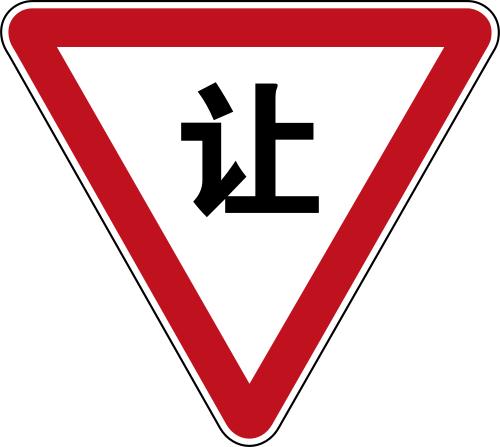
Prohibitory Signs
 |  |
|---|---|
| Stop and Give Way | Slow Down and Give Way |
 |  |
|---|---|
| No Traffic | No Entry |
 |  |
|---|---|
| Give Way to Oncoming Traffic | Priority over Oncoming Traffic |
 |  |
|---|---|
| No Long-Term Parking | No Parking |
| Yellow dashed line painted along the road edge or curb | Yellow solid line painted along the road edge or curb |
 |  |  |
|---|---|---|
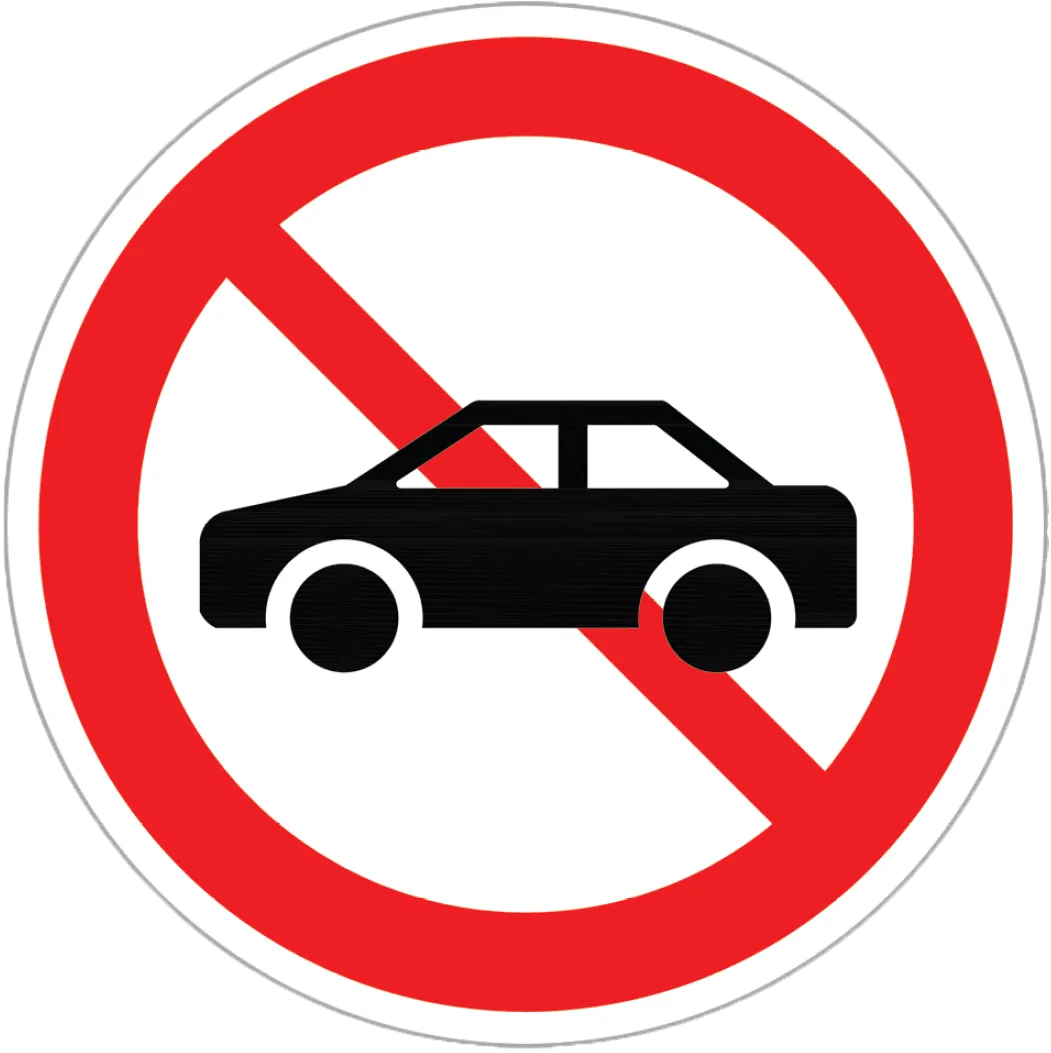
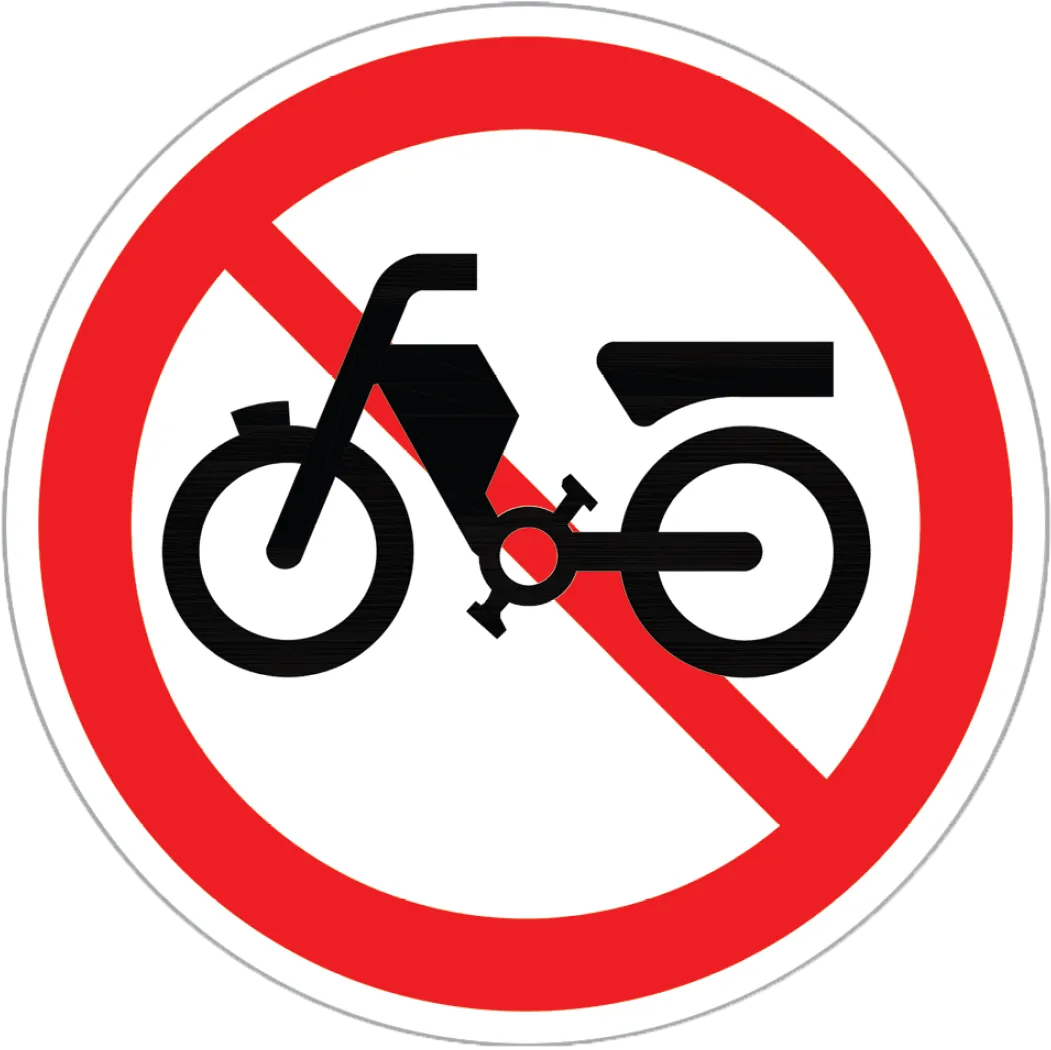
| No Motor Vehicles | No Small Passenger Cars | No Electric Bicycles |
 |  |  |  |
|---|---|---|---|
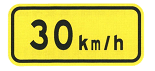
| Maximum Speed Limit | End of Speed Limit | Minimum Speed | Advisory Speed |
 |  |
|---|---|
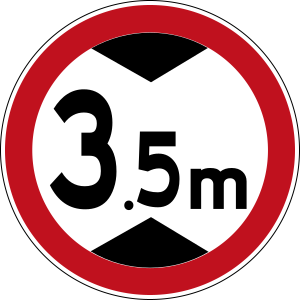
| Width Limit | Height Limit |
 |  |
|---|---|
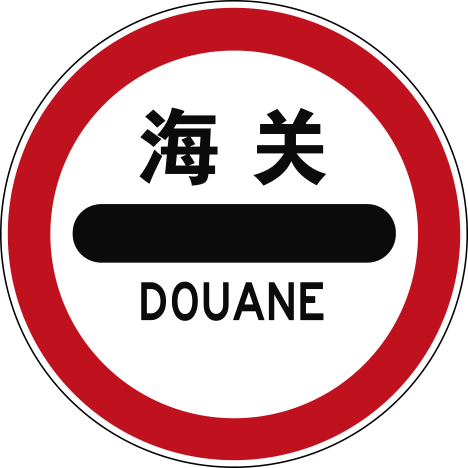
| Stop for Inspection | Customs Exit Inspection |
Warning Signs
 |  |
|---|---|
| Merging Traffic | Merging Traffic |
 |  |
|---|---|
| Two-Way Traffic | Crossroads |
 |  |  |
|---|---|---|
| Pass on Either Side | Pass on Left | Pass on Right |
 |  |  |
|---|---|---|
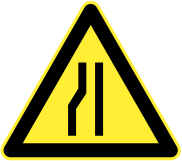
| Road Narrows on Left | Road Narrows on Right | Narrow Bridge |
 |  |
|---|---|
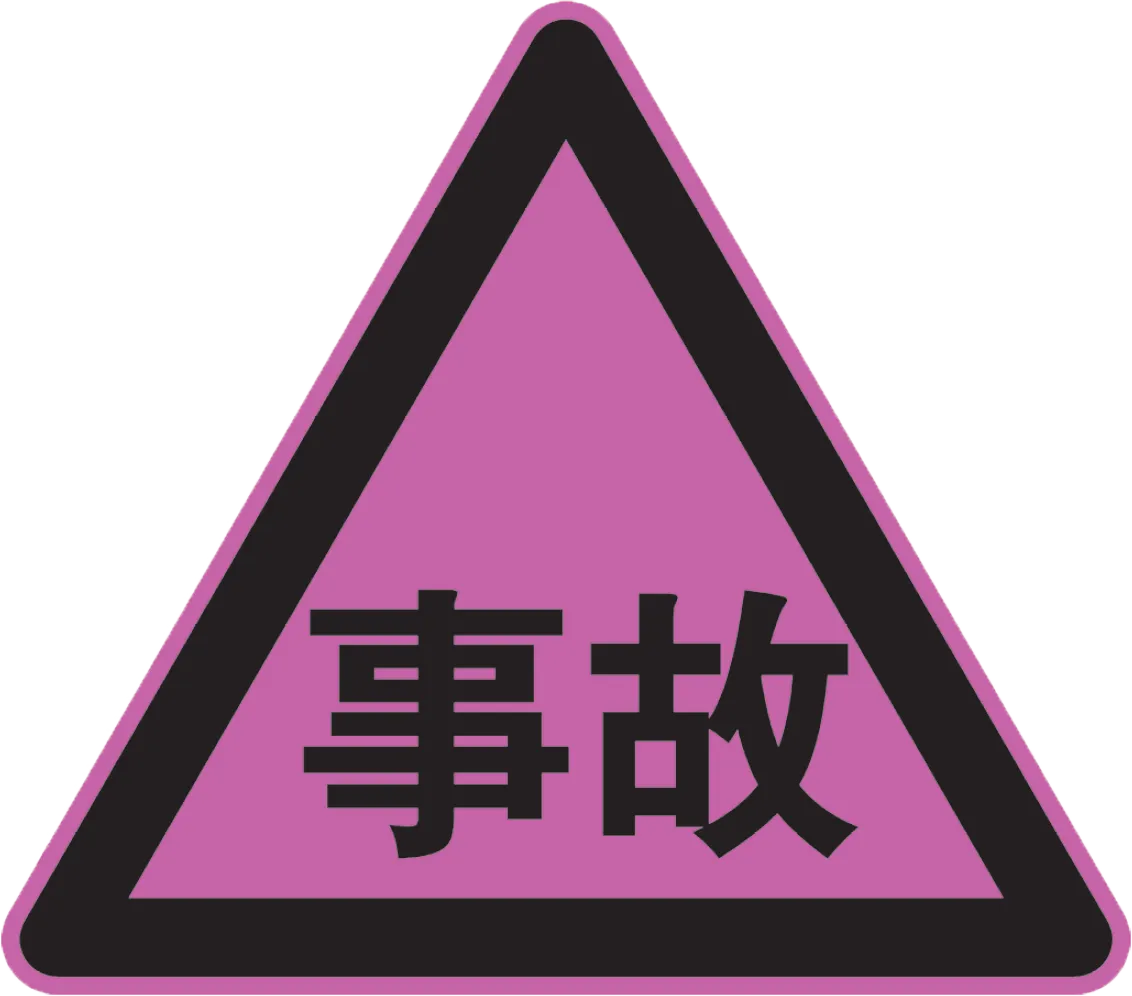
| Traffic Accident Management | Accident-Prone Section |
 |  |
|---|---|
| Watch for Pedestrians | Watch for Children |
 |  |
|---|---|
| Watch for Livestock | Watch for Wild Animals |
 |  |  |
|---|---|---|
| Crossbuck Symbol (used at railway crossings involving multiple tracks) | Guarded Railway Crossing | Unguarded Railway Crossing |
Distance to a railway crossing:
represents 50 m; represent 100 m, and so on.
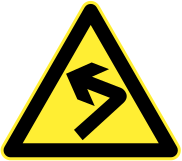 | 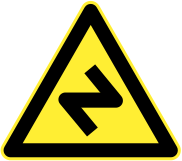 |  |
|---|---|---|
| Sharp Left Turn | Reverse Curves | Winding Road |
 |  |  |
|---|---|---|
| Steep Ascent | Steep Descent | Continuous Descent |
 |  |  |
|---|---|---|
| Falling Rocks on Left | Dangerous Mountainside Road on Left | Embankment Road |
 |  |  |
|---|---|---|
| Road Hump | Uneven Road | Hump Bridge |
 |  |  |
|---|---|---|
| Village | Tunnel | Ferry |
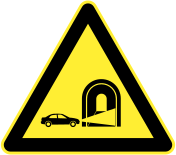 |  |  |
|---|---|---|
| Turn On Headlights in Tunnel | Tidal Lane Ahead | Keep Safe Distance |
Mandatory Signs
 |  |
|---|---|
| Straight Ahead Only | One-Way Road (Straight Ahead) |
 |  |
|---|---|
| U-Turn Permitted | U-Turn Lane |
 |  |
|---|---|
| Sound Horn | Turn On Headlights |
 |  |  |
|---|---|---|
| Keep Left | Keep Right | Keep to Right Lane |
 |  |  |
|---|---|---|
| Straight Ahead and Left Turn | Straight Ahead and Right Turn | Left and Right Turns |
 |  |  |
|---|---|---|
| Straight/Left at Interchange | Straight/Right at Interchange | Roundabout |
 |  |
|---|---|
| Shared Straight/Right-Turn Lane | Shared U-Turn/Left-Turn Lane |
 |  |  |
|---|---|---|
| Motor-Vehicle Lane | Bus Rapid Transit (BRT) Lane | Non-Motor-Vehicle Lane |
 |  |
|---|---|
| Pedestrians Only | Pedestrian Crossing |
 | 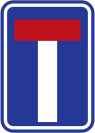 |
|---|---|
| Priority at Intersection | No Through Road |
Guide Signs
 |  | |
|---|---|---|
| Passing Bay | Bay-Type Emergency Parking Area | Expressway Emergency Parking Area |
 |  |  |
|---|---|---|
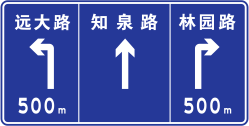
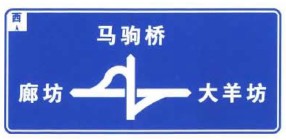
| Intersection Ahead | Y-Junction Ahead | Interchange Ahead |
 |  |  |
|---|---|---|
| Pass on Left | Pass on Either Side | Pass on Right |
 |
|---|
| Linear Guidance |
 |  |
|---|---|
| Starting Point | Ending Point |
 |  | 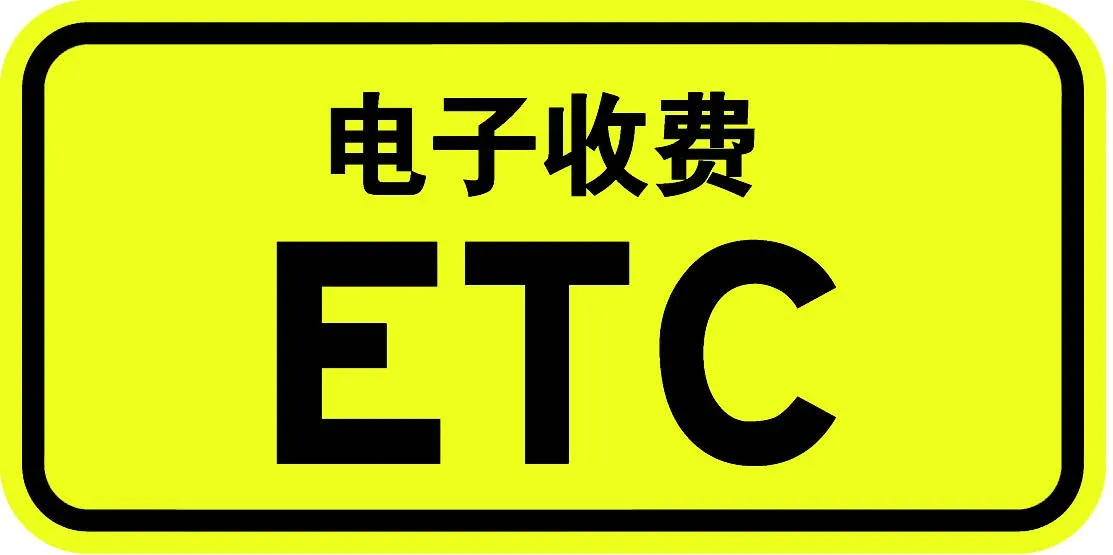 |
|---|---|---|
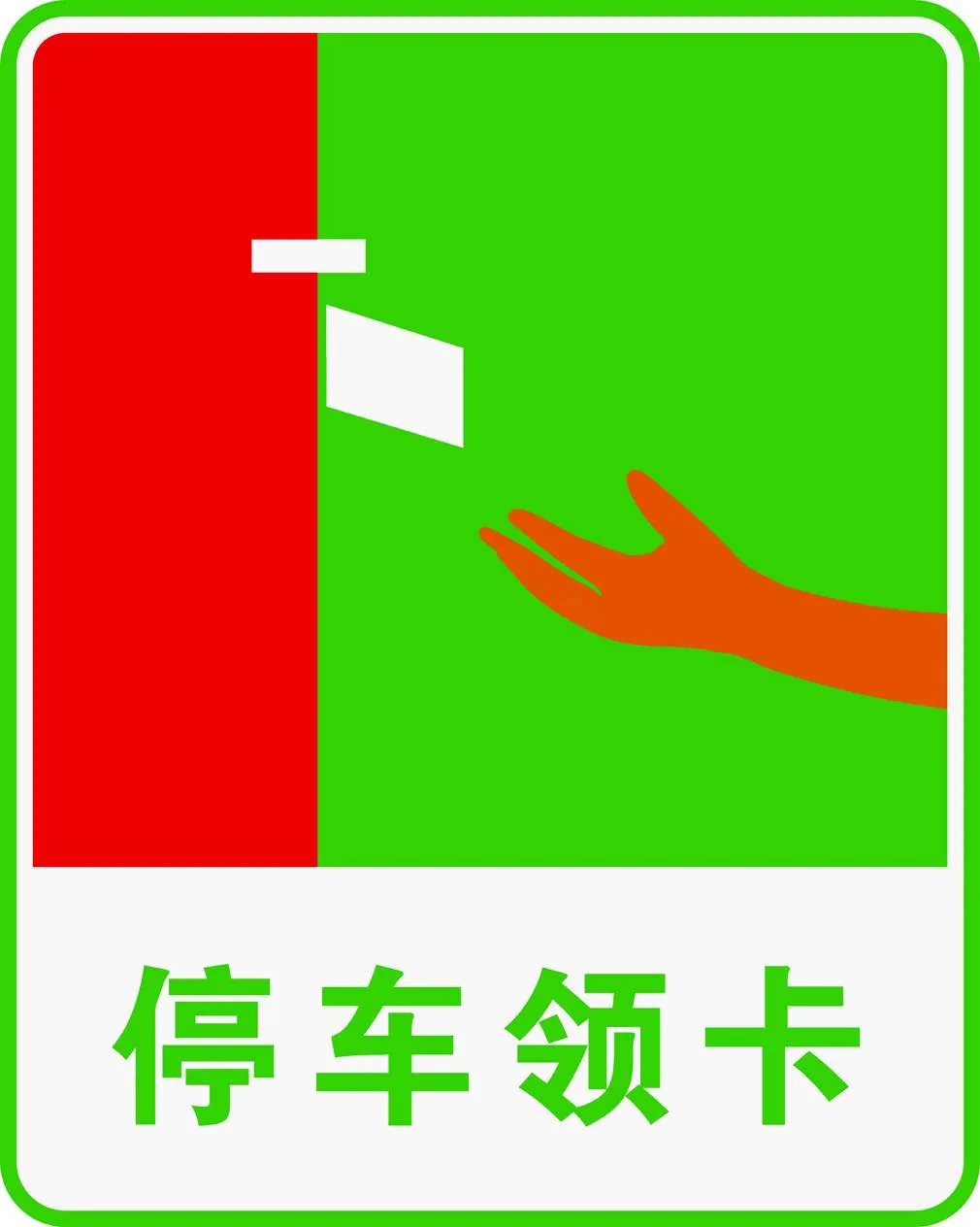
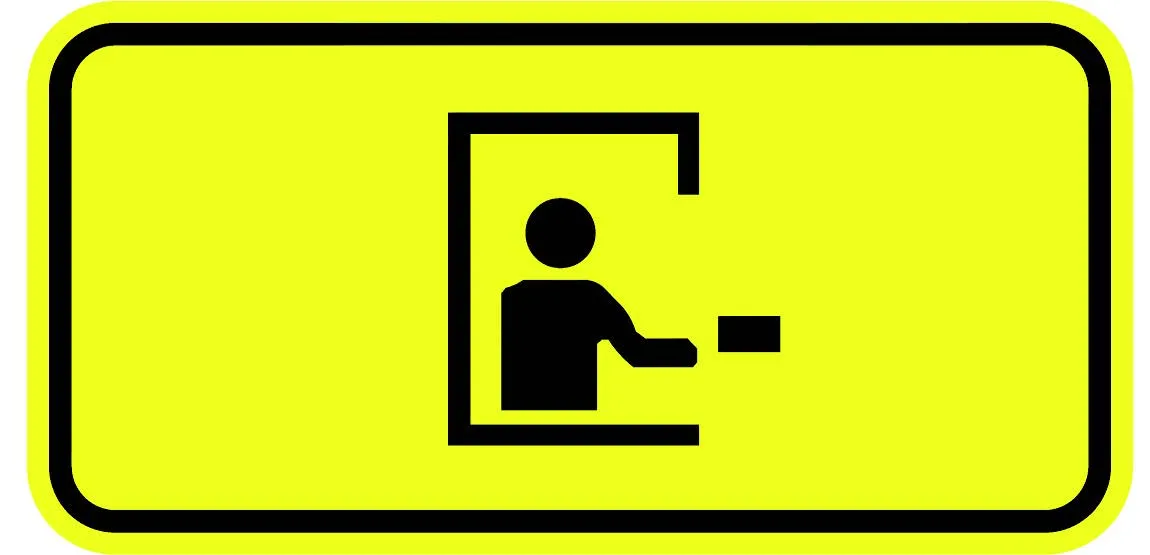
| Stop and Take a Card | Manual Toll Lane | Electronic Toll Collection (ETC) Lane |
 | 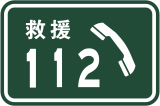 |
|---|---|
| Emergency Telephone | Rescue Telephone |
 |  |  |  |
|---|---|---|---|
| National Highway | Provincial Highway | County Road | Township Road |
Tourist-Area Signs
 |  |
|---|---|
| Distance to Tourist Area | Direction to Tourist Area |
III. Road Traffic Conditions and Rules
Fatigue driving:
After driving for 4 hours, you must rest for at least 20 minutes. Otherwise, it is considered fatigue driving.
Maximum-speed questions:
For U-turns, narrow roads, narrow bridges, muddy roads, railway crossings, downhill roads, and muddy/icy/snow-covered roads, the maximum speed must not exceed .
Urban roads:
No center line:
With a center line:
Ordinary highways:
No center line:
With a center line:
Distance questions: within how many meters is parking prohibited?
If the place contains the idea of an intersection/entrance, think 50 m:
railway crossing, curve, tunnel, or narrow road less than 4 m wide.
If the place contains the word station, think 30 m:
bus stop, fire station, gas station.
Placement of warning signs:
On an ordinary road, place the warning sign behind the vehicle.
On an expressway, place the warning sign more than behind the vehicle.
Expressway visibility questions:
Visibility : speed no more than , following distance .
Visibility : speed no more than , following distance .
Visibility : speed no more than , and leave the expressway as soon as possible.
IV. Road Traffic Safety Violations and Penalties
Under the new rules, demerit points are:
1 Point
Lights — failing to use lights as required
Prohibitions — violating prohibitory signs or prohibited road markings
U-turn — improper U-turning or reversing on ordinary roads
Meeting traffic — failing to meet oncoming traffic as required
Inspection — ordinary vehicle not undergoing inspection as required
Seat belt — failing to wear a seat belt
3 Points
Yielding — various failures to yield
Lane — weaving or improperly changing lanes on ordinary roads
Overtaking — improper overtaking
Plate installation — failing to install the license plate as required
Phone — using a phone while driving
Too slow — driving below the minimum speed on an expressway
Warning sign — failing to place a warning sign as required
6 Points
Minor injury — causing minor injury
Signal — failing to obey traffic signals
Emergency lane — occupying an emergency lane
Suspension — driving while the driver’s license is temporarily suspended
9 Points
Illegal parking — illegally parking on an expressway
Wrong category — driving a vehicle inconsistent with the permitted license category; driving a school bus without the required school-bus qualification
No plate — intentionally defacing or covering the license plate, or failing to display a license plate
12 Points
Alcohol — drunk/drinking-related driving offenses
Forgery — forging, altering, or using another person’s vehicle documents or license plates
Serious injury/death — causing injury above minor injury or causing death
Wrong-way driving — reversing, making a U-turn, or driving against traffic on an expressway or urban express road
Profit — accepting punishment on behalf of another person for financial gain
Vehicle length, width, or height violation: 1 point
Unauthorized modification of the vehicle body structure: 1 point
Wrong-way driving on an ordinary road: 3 points
Wrong-way driving on an expressway: 12 points
Speeding
| Ordinary Small Car | 20%–50% | More than 50% |
|---|---|---|
| Ordinary Road | 3 points | 6 points |
| Expressway | 6 points | 12 points |
| School Bus Passenger Vehicle Hazardous-Goods Vehicle |
Ordinary Road | Expressway | |||
| 10%–20% | 20%–50% | More than 50% | <20% | 20% or more | |
| 1 point | 6 points | 9 points | 6 points | 12 points | |
Passenger Overloading
School buses/passenger vehicles/tourist vehicles:
Less than 20% over capacity: 6 points
More than 20% over capacity: 12 points
| Passenger Overloading | 20%–50% | 50%–100% | More than 100% |
|---|---|---|---|
| Fewer than 7 seats | 3 points | 6 points | 12 points |
| 7 seats or more | 6 points | 9 points | 12 points |
Cargo Overloading
| Less than 30% of Permitted Total Mass | 30%–50% | More than 50% |
|---|---|---|
| 1 point | 3 points | 6 points |
Point reduction through traffic-law study:
Maximum reduction in one scoring cycle:
One scoring cycle:
Public-welfare activity:
1 hour / 1 activity = reduction of 1 point
On-site study:
1 hour = reduction of 2 points
Online study:
Complete 30 minutes of study within 3 days = reduction of 1 point
Full-Score Study
| One 12-Point Violation | Two 12-Point Violations | Three 12-Point Violations |
|---|---|---|
| Subject 1 | Subject 1 + Subject 3 | Subject 1 + Subject 2 + Subject 3 |
On-site: 2 days
Online: 3 days
Independent study: 2 days
For every additional 12 points, small-car drivers add 7 days, up to a maximum of 60 days.
V. Regulations on Handling Road Traffic Accidents
VI. Basic Knowledge of Motor Vehicles
The ignition switch has four positions:
LOCK: cuts off power and locks the steering wheel.
ACC: supplies power to accessories, such as the music player.
ON: supplies power to all vehicle electrical systems except the starter motor.
START: supplies power to the starter motor and starts the engine.
ACC: Adaptive Cruise Control
LDW: Lane Departure Warning
 |  |  |  |  |
|---|---|---|---|---|
| Door Warning Light | Hood Warning Light | Tailgate Warning Light | Hazard Warning Lights | Electrical-Circuit Fault |
 |  |  | 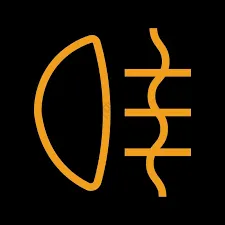 |  |
|---|---|---|---|---|
| Low-Beam Headlights | High-Beam Headlights | Front Fog Lights | Rear Fog Lights | Front and Rear Position Lights |
 |  |  |
|---|---|---|
| Insufficient Coolant | Engine Temperature Too High | Low Engine-Oil Pressure |
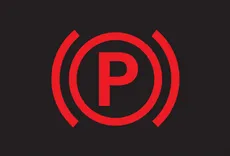 | 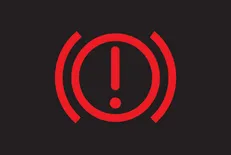 |
|---|---|
| Brake Applied | Brake System Fault |
| Front Windshield Defogging | Rear Windshield Defogging |
High-Frequency Test Tips
When turning right versus turning left, the right-turning vehicle yields to the left-turning vehicle.
Turning vehicles yield to vehicles going straight.
When both vehicles are going straight, the vehicle on the right goes first.
For first aid, stop bleeding first.
For bleeding control, apply pressure on the side closer to the heart.
Do not drag an injured person.
Using rope for bandaging is wrong because rope is not sufficiently soft.
On roads without a center line, vehicles travel in the middle, while pedestrians and non-motor vehicles use the sides.
If there is no dispute and no one is injured or killed, move the vehicles away.
If the vehicles can be moved but the drivers refuse to move them, a RMB 200 fine applies.
The safety headrest should be positioned behind the head to protect the neck.
Seat belt + airbag = double protection.
Queue in order. If an answer says “in sequence/orderly,” it is generally correct.
If the answer says “after confirming safety,” it is generally correct.
Reducing parallel driving is generally correct.
“Immediately call the police” is generally correct.
Taking the initiative and yielding politely are good driving behaviors.
Avoiding danger and yielding when meeting traffic are correct behaviors.
When the options include “illegal act,” “criminal liability,” or “full responsibility,” choose accordingly.
Slowing down, stopping to yield, and proceeding to the right in order are generally correct.
Using engine braking is generally correct.
Maintaining safety and keeping a safe following distance are generally correct.
Repeatedly or urgently sounding the horn is wrong.
Statements such as “you only need to…,” “then you may…,” or “you do not need to…” are usually wrong.
Coasting is wrong.
Accelerating is wrong.